The Pembrokeshire Coast National Park (PCNP) has teamed up with farmers and landowners to learn more about the secrets of our magnificent moths. The Magnificent Moth project is just one of many, funded by the Nature Networks Fund, designed to make a lasting difference to Pembrokeshire’s wildlife and heritage as well as the landowners and volunteers who can get involved.
Running until March 2028, PCNP will use the fund to carry out works to achieve favourable conservation status on high nature value sites, maintaining and enhancing species for which Pembrokeshire is uniquely important, and increasing landscape connectivity for wildlife. Encouragingly, the authority has received unprecedented numbers of enquiries from prospective volunteers wanting to help.
The Authority has identified a number of key Sites of Special Scientific Interest (SSSIs), Special Areas of Conservation (SACs), and Special Protection Areas (SPAs) in the Pembrokeshire Coast National Park to focus its efforts. A huge amount has already been done over the years and sites where work has previously been undertaken will be maintained. While a number of new posts and traineeships will be created to help achieve this, a central part of the work will be about offering volunteers and landowners comprehensive training so that habitat management and species monitoring can be done long-term in a sustainable way. It’s not just about protecting vital ecosystems for future generations- anecdotal evidence from previous projects has shown how many volunteers feel their work boosts their sense of wellbeing, sometimes supporting recovery from mental health challenges like PTSD.
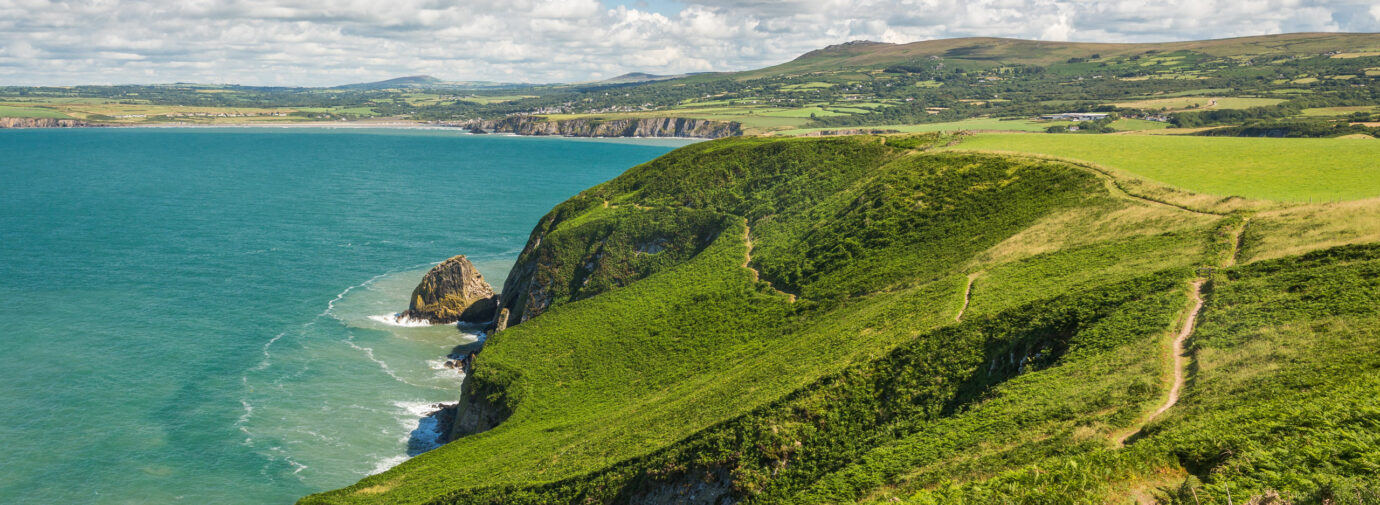
Teams will focus improving ecological connectivity across protected sites, such as the limestone coast of South West Wales SAC, Castlemartin coast SPA, Castlemartin Range SSSI and Castlemartin Corse SSSI, known for their rich coastal grasslands, heathlands, wetlands and cliffs. These support protected species such as grey seal, breeding sea birds, marsh fritillary and are the most important site in Pembrokeshire for the shrill carder bee. In north Pembrokeshire, we will work in the Gweunydd Blaencleddau SAC & SSSI, Mynydd Preseli SSSI, Waun Fawr, Puncheston SSSI, Carn Ingli SSSI, and Dyffryn Gwaun SSSI. These are designated for complex habitats of marshy grassland, wet-heath, blanket bog and flush communities, supporting significant populations of Southern damselfly and Marsh fritillary. However, these areas are becoming unfavourable due to lack of grazing and invasive non- native species (INNS). While some areas are being restored through cattle grazing using no fence collars, more work is needed to provide grazing infrastructure.
Work will also maintain momentum from the Connecting the Coast pilot by continuing to work with existing landowners to monitor and improve outcomes of ongoing habitat restoration. Expanding on previous work, the project will extend Invasive Non-Native Species (INNS) control and increase landowner support to further enhance habitat restoration and connectivity, including areas around St Davids, Waterwynch Bay to Saundersfoot Harbour SSSI, and North Pembrokeshire.
As well as the above examples, the Authority will focus work in other areas of special interest including peatland, rare and scarce plants and invertebrates, breeding seabirds, dormice, lichens, otters and grey seals. The impacts of climate change are becoming increasingly visible across our coastal and inland sites. Rising temperatures, shifting precipitation patterns and more frequent extreme weather events pose significant risks to the resilience of protected species such as chough and threatened habitats. Monitoring is key as many species, such as the moth, are important indicators of the health of the landscape and the impact of climate change. Moths for example are night time pollinators and provide an important food source for garden birds and bats. The Magnificent Moth pilot project conducted through late summer 2025 has also used new AI technology to help identify the various species and landowners have enjoyed being involved. The team hopes to build on this initial success next summer. While in the Preseli SAC and Carn Ingli SSSIs, historic excessive burning has negatively impacted the wetland and heathland vegetation and bracken and purple moor-grass have increased at the expense of heathland. These areas support endangered species like the southern damselfly, but their current condition leaves them vulnerable to further habitat shifts.
Private land, managed for biodiversity throughout the National Park, provides critical connectivity and stepping stones to bolster the Protected Sites network. By transferring specialist skills and knowledge to landowners in the National Park and the empowerment to understand and value a greater number of species on their land, it is hoped they will develop their ecological understanding and drive to manage habitats to benefit the species which they find there.
By engaging the community and working with landowners, the work will create a sustainable, collaborative approach for nature recovery by identifying sites, supporting management and monitoring outcomes. The project’s legacy will be a healthier, more resilient landscape and a strengthened conservation team with the skills to protect these vital ecosystems for future generations.
The Nature Networks Fund is funded by the Welsh Government and administered by the National Lottery Heritage Fund in Wales.